Future Leaders' Perspectives
What an Arctic childhood, Bodø/Glimt and America can teach Europe about leadership & innovation
Ambition, capital, and the Arctic as Europe’s energy proving ground.
Future Leaders' Perspectives
What an Arctic childhood, Bodø/Glimt and America can teach Europe about leadership & innovation
Ambition, capital, and the Arctic as Europe’s energy proving ground.
.png)
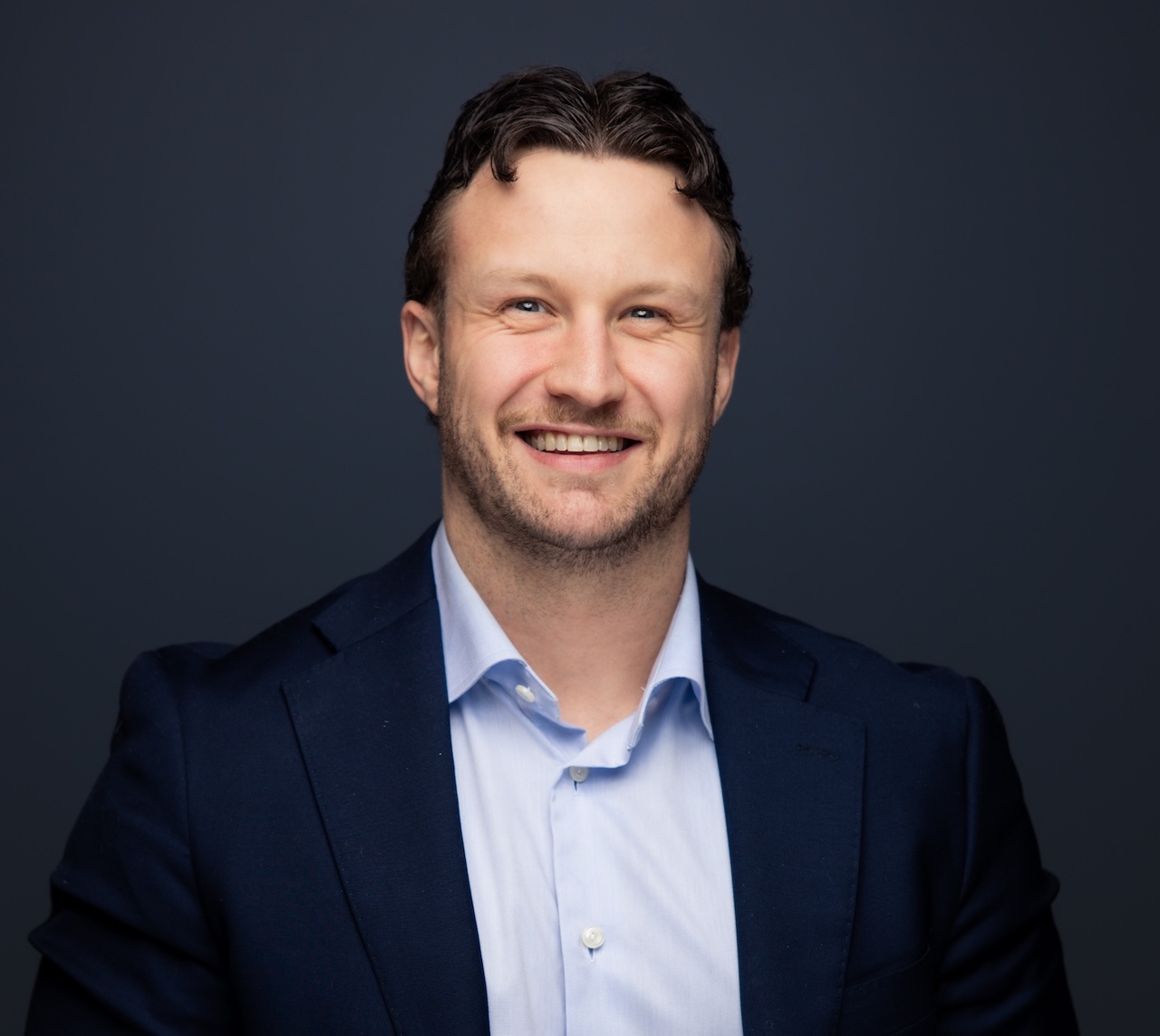
I grew up in the Arctic, where the landscape teaches patience and the climate teaches humility. Later, I spent two of my early adult years living in the United States, where I discovered something else entirely. I realized from spending time with the people there that ambition is not simply a virtue but also currency. The Americans I met on my path treated bold ideas the way our Arctic communities treat daylight in winter.
You hold onto it fiercely and refuse to let it fade, nurturing it with a kind of defiant optimism that refuses to accept limits.
In Europe, ambition is often wrapped in caution and precision. Growth forecasts are measured in decimals, scaling companies nationally, first. In the US, ambition sounds like a declaration of destiny. “We will colonize Mars by the end of the quarter”.
Velocity, capital and the power of narrative
Investors gravitate toward that confidence, even when it borders on improbable, because boldness magnetizes capital. It is not that Europe lacks this competence, infrastructure or creativity. What we often lack is the belief that world-shaping companies can actually come from here and should.
What shaped me as a young dreamer in the Arctic was discipline and resilience. What shaped me in the United States was speed. Europe tends to prepare, analyze and perfect. The US moves, tests and adjusts because they know that a product that barely works but launches today will in many instances outcompete a perfect product that just sits in a PowerPoint file.
From my experience working closely with research and innovation environments, I have seen the pattern clearly: Europe files patents; the US builds companies. The difference is velocity and behind velocity there is always capital.
In his 2024 report on European innovation competitiveness Mario Draghi argues that Europe must urgently “close the innovation gap” by dramatically increasing risk‑willing investment, noting that European startups rely heavily on bank loans instead of the kind of venture capital that fuels rapid experimentation.
Europe does not suffer from a shortage of ideas or research.
Europe suffers from a shortage of risk willing investment.
Bureaucracy is not the true barrier. Denmark as an example is one of the easiest countries in Europe for IPOs thanks to a supportive regulatory framework, simplified prospectus rules, and stable, transparent market conditions that reduce cost and complexity for companies going public. Yet the US, with its endless forms and higher complexity, continues to dominate.
Capital makes complexity irrelevant and when capital flows, innovation pushes through whatever stands in the way.
But capital is not the only difference. The cultures of communication are worlds apart. In Northern Europe, adequate is a compliment. In the US, awesome is merely the starting point. American founders are masters of framing: turning prototypes into revolutions and setbacks into temporary detours. This is not exaggeration. It is narrative strategy. It is the understanding that people do not invest only in what exists, but in what might exist.
It took me years to understand that storytelling is not a distortion of truth, but a multiplier of possibility. When paired with the Arctic instinct for realism, it becomes an extraordinarily powerful force.
Lessons from Bodø/Glimt can redefine the future Arctic ambitions
In the Arctic, failure isn’t fatal. It’s information. You learn, adjust, and try again. That mirrors why a football club like my childhood team Bodø/Glimt from the far north who was relegated in 2016 goes on to reach the round of 16 in the world’s biggest stage for football: the Champions League. They did not rely on privilege or spending power. They reinvented their culture, trained differently and built mental strength into their foundation. Above all, believed in something bigger than themselves.
That willingness to redefine norms; to challenge the status quo is exactly what the Arctic needs now.
The Arctic sits at the center of the global energy transition. It is warming faster than any other region. It is geopolitically sensitive and strategically essential. Yet sometimes it is still described as isolated, distant or fragile like a frozen museum.
In reality, it is the perfect testbed for the energy innovations of the future. Extreme climates expose weak technologies. Small communities reveal the limits of infrastructure. Remote environments reveal flaws in planning and high-quality proprietary data creates a unique environment for developing world-class AI-driven innovations.
The stakes are so much higher here and therefore, the solutions must be better.
Leadership in the Arctic means building systems that can endure for generations. It means being willing to innovate even when the path is unclear. It means trusting that daring and discipline together, as a team, like Bodø/Glimt has demonstrated; can unlock disproportionate impact.
If Europe and the Arctic is to realize this opportunitiy, it must unlock far more capital. Talent is not our problem. Research output is not our problem. Scale is.
Europe needs new incentives, new mechanisms and renewed courage behind investment decisions.
What if profits form newly issued European shares were tax-free?
What if early-stage investors were rewarded rather than punished?
What if our financial systems encouraged risk instead of penalizing it?
Innovation would not just grow. It would accelerate beyond anything we have seen before.
As a 29-year-old who grew up in the Arctic, I believe this region can lead the world in energy resilience, not despite its challenges but because of them. I believe Europe can match the ambition of the United States if we give ourselves permission to try.
Leadership is not preserving what exists.
Leadership is stepping forward when the world expects more.
The Arctic has done that before.
Europe has done that before.
It is time to do it again.
Håkon Gustafson Giæver
Business Development Manager, Norinnova
In partnership with: