Future Leaders' Reflections
Courage in a world that is already changing
The world is no longer debating whether climate change is real. The debate has moved on. The question now is whether we have the courage to face what is already happening – and to act accordingly.
Heat records are broken every year. Floods, droughts, storms, and fires hit harder and more often. Food systems are strained and energy systems are stressed. And the hardest truth is this: the people who contributed the least are often the ones paying first and paying the most. This is not a future scenario. It is the current state of the world.
Future Leaders' Reflections
Courage in a world that is already changing
The world is no longer debating whether climate change is real. The debate has moved on. The question now is whether we have the courage to face what is already happening – and to act accordingly.
Heat records are broken every year. Floods, droughts, storms, and fires hit harder and more often. Food systems are strained and energy systems are stressed. And the hardest truth is this: the people who contributed the least are often the ones paying first and paying the most. This is not a future scenario. It is the current state of the world.

My point is simple: a fair energy transition must prioritize adapting to climate impacts – not just prevent future ones.
Mitigation remains vital. It is also slow.
We must cut emissions fast. That has not changed. We need clean power, electrification, efficiency, better materials, and innovation that makes low‑carbon choices cheaper and more practical.
But mitigation works on a delay. Even if we accelerate, the climate will keep changing for decades. I don’t want us to confuse motion for progress. Targets matter. Headlines matter. But if people are already being hit, then adaptation is not optional. That is why adaptation must move from the margins to the center.
Adaptation is not surrender
For some, adaptation sounds like defeat - as if planning for impacts means giving up on prevention. I see it differently. We adapt to risk every day. We build flood defenses. We design hospitals to withstand emergencies. No one calls that defeatism. We call it engineering, foresight, and care.
Climate adaptation should be treated the same way.
I work in a sector built on risk management. Offshore, a weather window can close in hours. Nobody argues with the ocean. We change the plan, add redundancy, and protect people and critical assets. That mindset – anticipate, adjust, endure – is exactly what climate adaptation requires.
The inequality line: Where the transition becomes real
Adaptation forces us to look directly at inequality, because climate change is not distributed evenly.
Two families can face the same flood. One has insurance, savings, stable jobs, and a government that rebuilds quickly. The other lives paycheck to paycheck, in housing that was vulnerable even before the storm, and with limited access to healthcare. Both lose a home. Only one recovers.
That is what vulnerability looks like: not just exposure to hazard, but the capacity to cope and rebuild. Climate impacts magnify what is already unequal. A failed harvest becomes hunger. A power outage shuts down water supply and basic services. A heatwave becomes lethal when cooling is unavailable and healthcare is stretched. In places already constrained by poverty, conflict, weak institutions, or fragile infrastructure, climate shocks can erase years of progress in a single season.
This is why I keep coming back to fairness. A transition that is not felt as fair will not last. Public consent is not a “soft” issue; it is the foundation of continuity under pressure. When people feel left behind, trust collapses. When trust collapses, misinformation spreads, friction rises, and the politics of transition harden. We retreat to what we know. We choose short-term safety over long-term strategy.
Adaptation is how we protect legitimacy. It is how we protect trust.
Energy is the platform for protection
Energy is not just another sector; it is the platform that supports the rest. Without dependable power, adaptation is not protection. This is why climate adaptation cannot be separated from energy realism. The energy transition must balance three demands that often collide: security, affordability, and sustainability. If security weakens, everything becomes brittle. If affordability breaks, public consent fractures. Sustainability remains non‑negotiable, because physics does not compromise.
I believe courage is naming these trade-offs early and managing them deliberately - so people do not pay the price for our hesitation.
The transition is also climate-exposed: heat strains grids, drought challenges hydropower, and volatile weather increases the value of storage and redundancy. If we fail to adapt our energy systems, we slow decarbonization itself.
Energy demand is still rising as billions seek basic dignity through jobs, clean cooking, and cooling. That sets a standard: cut emissions fast while making today’s energy cleaner by reducing methane, improving efficiency, electrifying where possible, and scale carbon capture solutions.
What we should do now
If adaptation is protection, then we should treat it the same way we treat any other form of protection: make it standard practice, fund it properly, and measure whether it works. That starts by building resilience into design from day one – build infrastructure for heat, flooding, and more extreme conditions.
Second, we should treat adaptation as development. The most effective resilience often looks like basics: electricity and cooling, water and sanitation, resilient housing, functioning health systems, and early warning signals that reach everyone.
And finally, it requires a shift in how we allocate capital: fund outcomes, not intentions. Resilience can feel expensive because success is invisible – there’s no ribbon‑cutting for the disaster that never happened. But avoided downtime creates value, avoided recovery preserves capital, and social stability is an asset we cannot afford to neglect.
Choosing courage over comfort
It is always more comfortable to focus on ambitions that lie safely in the future than on problems already at our feet. Adaptation forces us to look directly at damage, inequality, and limits. But courage has never been about comfort. Courage is choosing to act when outcomes are uncertain.
I want us to hold two truths at once: we must cut emissions fast, and we must adapt intelligently. Mitigation builds a cleaner future. Adaptation protects people in the imperfect present.
At ONS, this should not be an unfamiliar mindset. The North Sea is built on risk management, high standards, and operational realism. It is built on the understanding that risk does not disappear when you stop talking about it. The world is already changing. The only real question left is whether we face that reality with denial or with courage.
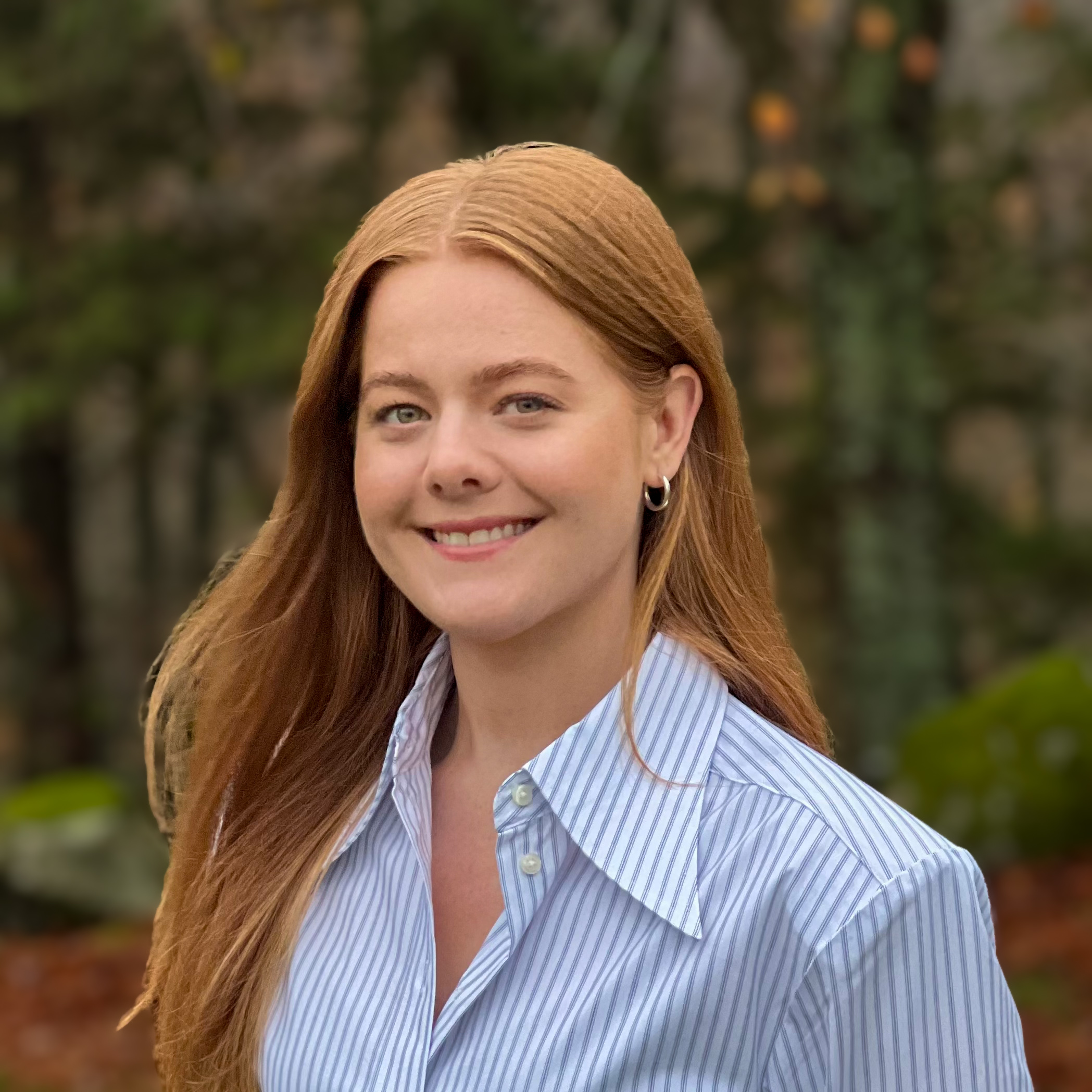
Karen Hegrestad
Production Chemist, SLB
In partnership with: